
The Museum Turns Time into Space
The Museum of InnocenceThis flow traces Kemal’s developing idea that a museum can make remembered time visible through an ordered collection of objects.
increasing Bearing strength in each event
 decreasing
Bearing strength in each eventdecreasingMuseums Offer Solace
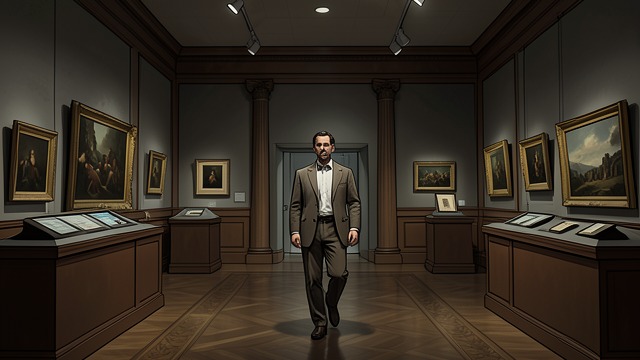
Museums Offer Solace
A new kind of visit
Kemal travels through museums and finds comfort in small, quiet collections rather than only famous institutions. Their rooms seem to suspend the noise and speed of ordinary life.
A model for his story
The museums teach him that objects can preserve a life without reducing it to a simple sequence of events. He begins to imagine his own collection as a place visitors can inhabit.
A House for the Collection
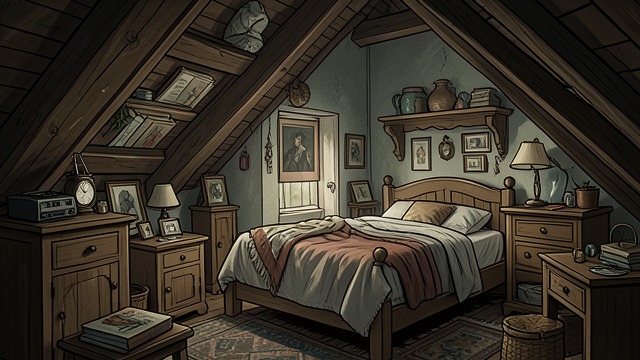
A House for the Collection
The Keskin building acquired
Kemal buys the Çukurcuma building from Nesibe and begins to imagine it as a memorial space. Rooms once used for family life will house the objects and memories that formed around them.
A house remains a house
He does not want the museum to feel like a detached gallery. The attic bed, household arrangements, and traces of inhabitation make the past feel physically present.
A Collection with Many Views
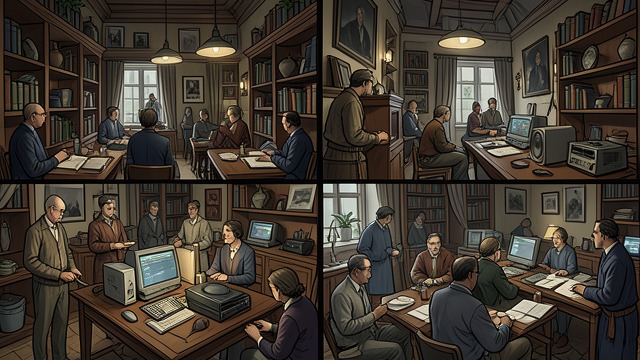
A Collection with Many Views
Objects arranged together
Kemal wants visitors to see the full collection from different points in the building. Any single object should also belong to the broader story of Füsun and Istanbul.
Time becomes space
He imagines the museum as a way to experience many remembered moments at once. The arrangement offers a form of consolation by making the past spatially accessible.
A Novel as Catalog
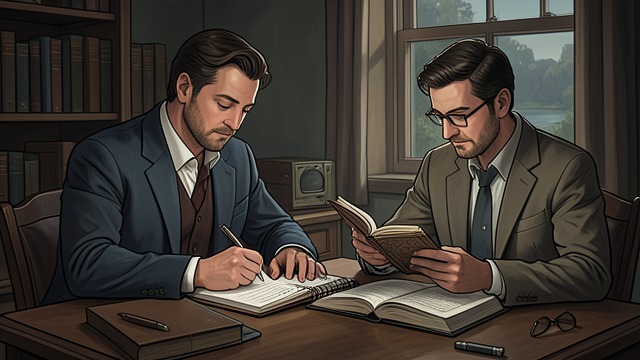
A Novel as Catalog
Orhan Pamuk takes up the story
Kemal asks Orhan Pamuk to write in his voice and preserve the order and meanings of the collection. Their collaboration makes the novel a guide to a future visit.
A reciprocal form
The reader can follow the narrative through objects, while the museum can be explored with the book. Each medium supplies details the other cannot contain alone.
A Public Place for Memory
A Public Place for Memory
Visitors are imagined
Kemal plans for visitors to examine the objects without rushing, especially the lovers, students, and travelers who may recognize parts of their own lives in them.
Memory becomes shared
The museum turns one man’s private recollections into a public experience. Kemal’s aim is not to prove that his life was exemplary, but to ask others to respect the attention he gave it.
After Füsun’s death
After Kemal’s Paris visit
During the museum’s planning
2001–2008
Near the end of the novel
